“I’m coming back with the confidence of knowing who I am.”
When Sampa Tembo, known globally as Sampa the Great, says this, it carries the calm assurance of someone who has done the work of coming home to herself. After years of building an acclaimed international career, she’s no longer seeking validation or belonging. Her new, third studio album, Nu Zamrock, (out now) marks that return: bold and spiritually charged, blending hip-hop, rock, soul, and Kalindula rhythms into what she calls Nu Zamrock, a sound that bridges generations, geographies, and selves.
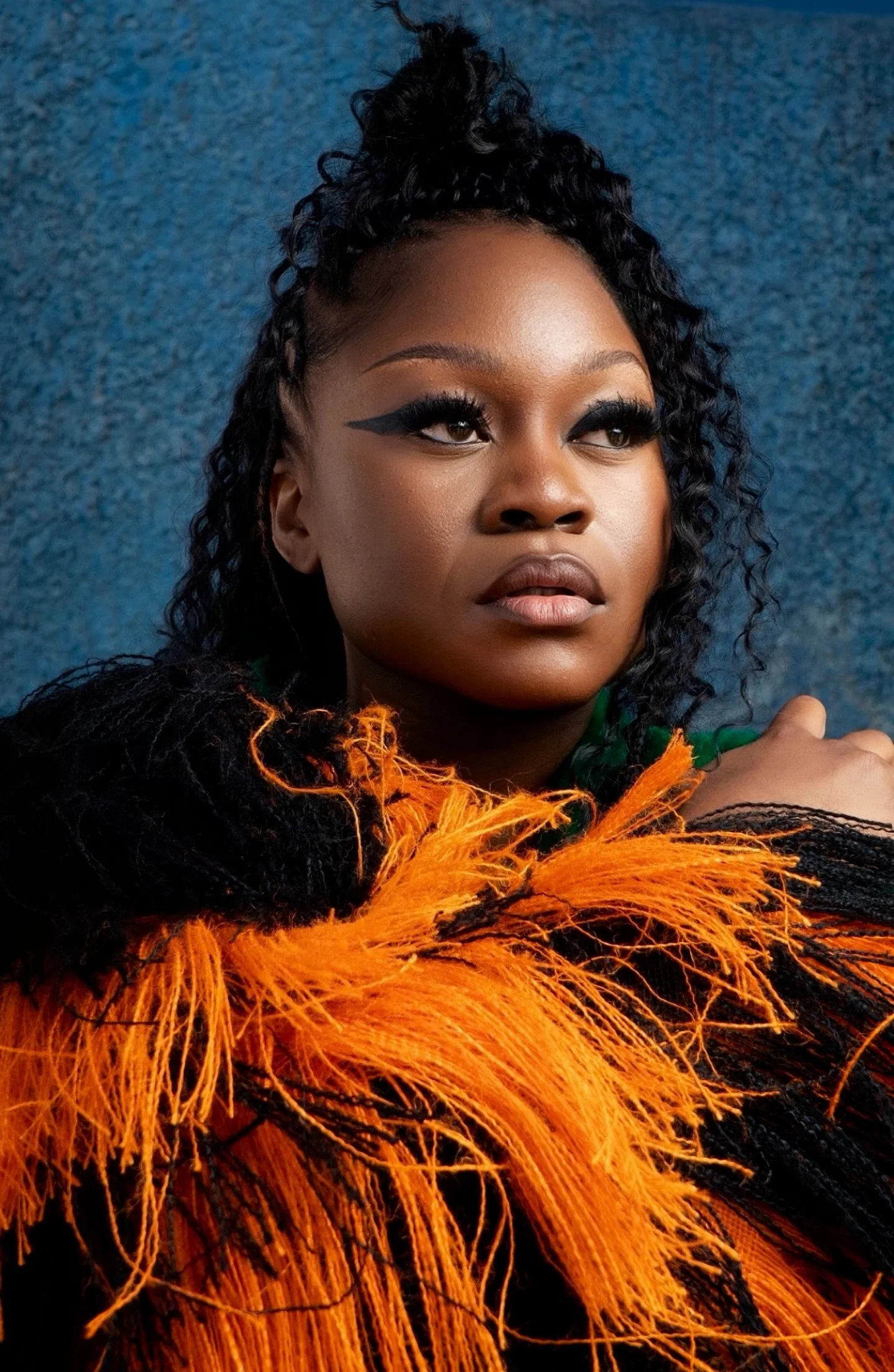
Photo Credit: Lawrenzos Wurld
Then came the discovery that reframed her whole creative identity. While reconnecting with family, Sampa learned that her blood uncle, George Kunda (Groovy Joe), was a founding member of Zambia’s legendary psychedelic rock band WITCH, pioneers of the 1970s movement known as Zamrock. “I really could have used this information when I was starting out!” she laughs. “When I learned that, it felt spiritual - like there was this ancestral baton being passed. Once I found out I had a blood connection to it, I felt like I’d been given permission to inherit it.”
That inheritance became the heartbeat of Nu Zamrock. Across the album she reimagines the genre - that daring fusion of rock, funk, and African rhythm - through her own lens, merging it with hip-hop, poetry, and soul to create Nu Zamrock, a form both ancestral and futuristic. “Zamrock is my sound,” she says. “It’s my voice. Being Zambian, being loud, being defiant — that’s what Zamrock is.”
Zamrock in itself was born out of rebellion and disruption. In the album creation, she also experienced a shift in her own perception of self: she also acknowledges the silence surrounding her family’s musical past, shaped by hardship and shame. “A lot of my dad’s brothers attempted music,” she explains. “But the industry doesn’t always show you the beautiful side of being creative. Some went into debt, some became poor. The reason it was kept away from me was shame - shame of what didn’t happen. But the fact that they made that music at all - that they printed the first vinyls — was history in itself.” Nu Zamrock transforms that silence into celebration, opening with her uncle’s voice and closing with her own, symbolising the hand-over from old Zamrock to nu.
The songs on Nu Zamrock mirror her own evolution. Catch If You Can marks her resurgence after near-burnout; Simon Says dismantles the industry’s fixation with perception: “I’m a musician first - not a brand, not a product, not a number.” Prayer In A Dance reclaims joy as resistance, while Location critiques the inequities that keep African musicians outside global infrastructure. On Canary, she crowns herself - “I am the new king of Zamrock” - asserting female leadership in a space long dominated by men. And in I Can Love and Gone, she softens completely, writing about self-acceptance and peace: “Being broken doesn’t mean being unlovable.”
Her creative independence underpins it all. Having studied audio engineering at SAE Institute in Sydney, Sampa co-produced and executive-produced the album alongside GRAMMY-award winning producer Cadenza, fully claiming the authorship of her sound. “Freedom to talk about what you want to talk about, and freedom to create how you want to create - that’s my truest independence,” she says. “For a long time I didn’t feel like a ‘real’ producer. But then I thought, why not? I am producing.”
Nu Zamrock it’s a reclamation of voice, lineage, and continent. It’s the sound of Zambia in conversation with the world: rock guitars meeting ancestral drums, defiance meeting tenderness, modernity meeting memory. It’s Sampa Tembo stepping fully into her name, honouring those who came before her, and creating something entirely her own - fearless and free.
In this era, Sampa steps forward not simply as an artist, but as a modern griot. It’s her recognition that Nu Zamrock is not nostalgia, it is the future remembering where it came from. Carrying history forward while creating space for what comes next, this new project cements her as an African pioneer, rooted in family, legacy, roots, and self exploration.
This is bigger than an album. Equal parts history and bloodline, this is Nu Zamrock.