Delilah Holliday returns today with her most ambitious and unflinching body of work to date. ‘Fat Cat’, her debut album, released via One Little Independent Records, is a new wave recession-pop concept record that interrogates grief, systemic inequality, and spiritual survival under late-stage capitalism.
Marking a significant moment in her evolution as an artist, ‘Fat Cat’ sees Delilah pushing her sound further without ever sacrificing the experimental, DIY edge and emotional depth that has defined her creatively her entire life, from her time in punk breakouts Skinny Girl Diet to her critically acclaimed 2023 ‘Invaluable’ mixtape.
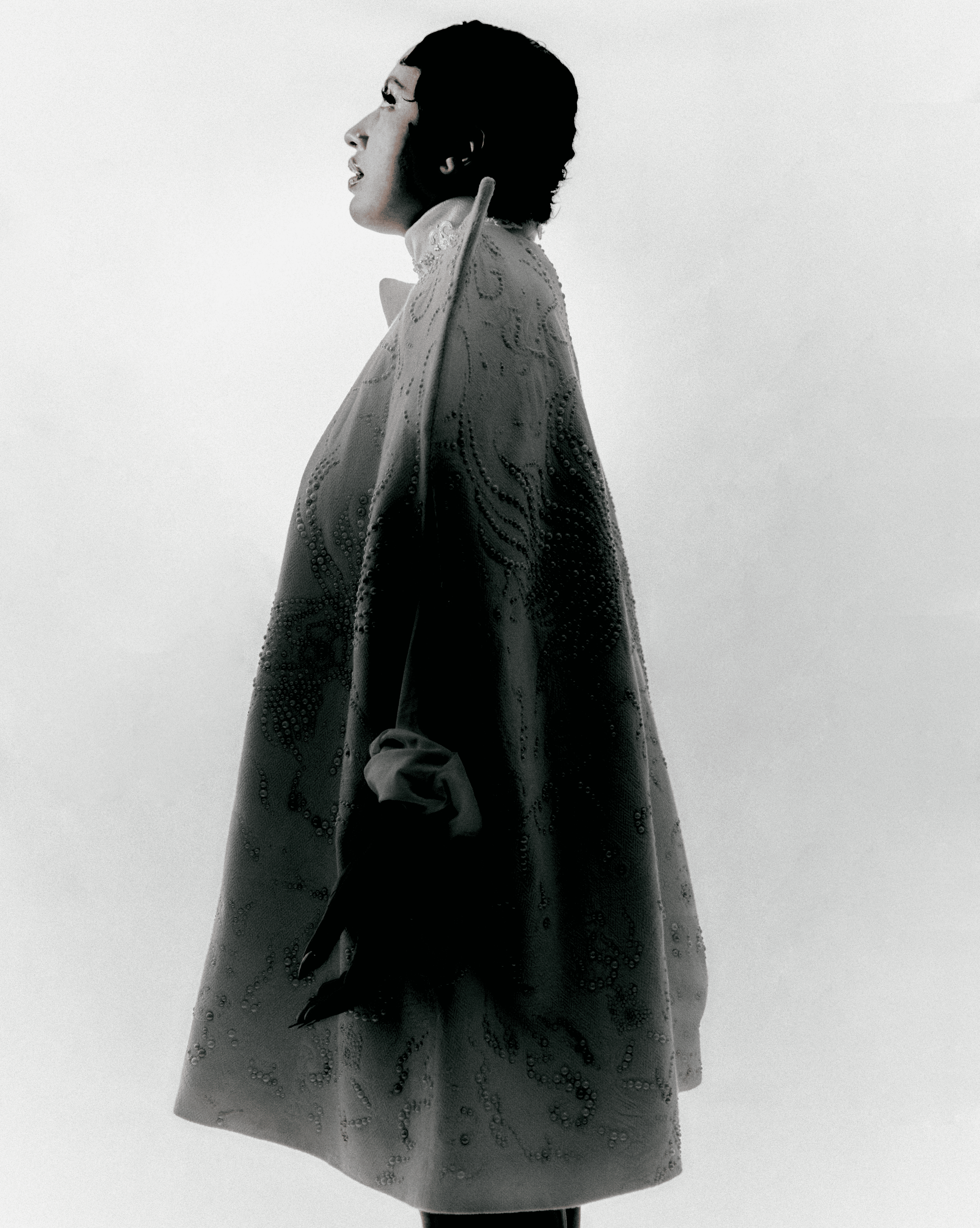
Photo Credit: Charlotte Ellis
‘Fat Cat’ was written during a period of profound grief. It exists at the intersection of intense lived trauma and political awareness. Delilah describes a sequence of loss that unfolded within a very short space of time. Much of the record was conceived while she was pregnant, navigating illness and instability. During this period, she experienced the death of her uncle Simon, whose guidance and mentorship were instrumental in shaping her both personally and artistically. She says that she would not be a musician without him. Within months, she then lost her Nana (“never “Grandma,” as she would insist”), a formidable matriarch on her maternal side who emigrated to the UK from St. Elizabeth Parish, Jamaica, during the Windrush generation.
Just one month later, she experienced the loss of her child. These events sit at the emotional core of the album, undeniably impacting its meaning and deeper philosophy. She admits that at times it has been hard to listen back.
Sonically, the album builds on the dreamlike, transportive qualities of her earlier work while pushing into a more refined pop framework. Downtempo electronics, trip-hop textures, and fractured hyper-pop drift between states of disorientation and clarity, balancing accessibility with antagonism. Collaboration plays a key role here; Raphael Ninot (Raph) emerges as a central creative partner, bringing an intensely personal level of commitment to producing the project, while Liam Howe (of Sneaker Pimps) elevated it while retaining its contemporary sound.
Alongside these themes runs a stark reflection of the realities facing artists today. During the making of ‘Fat Cat’, Delilah experienced periods of housing insecurity, living in temporary accommodation while continuing to create. That instability becomes inseparable from the album’s capitalist critique.